Induction: Cook Smarter
This post contains affiliate links. If you make a purchase through these links, I may earn a small commission at no extra cost to you.
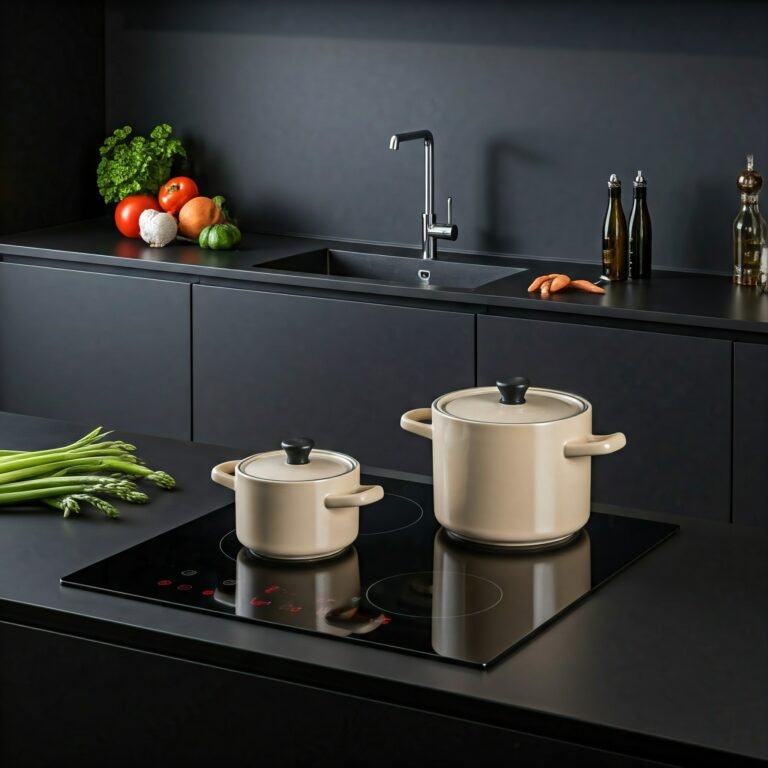
Induction cooking is a modern and efficient way to cook food using electromagnetism. Unlike traditional electric or gas stoves that heat the element or burner first, induction cooktops heat the cookware directly.
How it Works:
An induction cooktop has coils of wire underneath its ceramic surface. When you turn on the cooktop, an alternating electric current flows through the coil, creating a magnetic field. When a ferromagnetic cookware (like cast iron or stainless steel) is placed on the surface, the magnetic field induces an electric current in the pot or pan itself. This current generates heat within the cookware, cooking the food.
Benefits of Induction Cooking
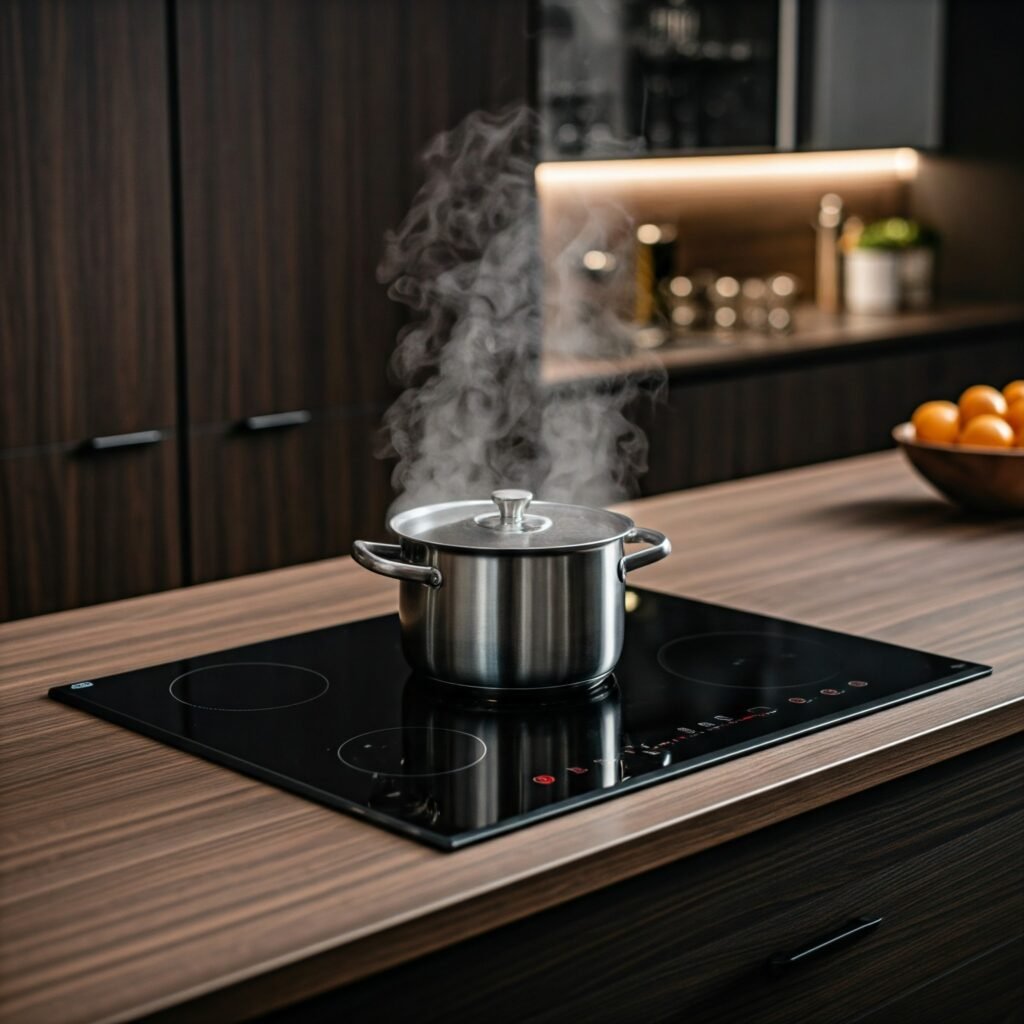
- Speed: Induction cooktops heat up much faster than traditional electric or gas stoves. You can boil water in a fraction of the time.
- Precise Temperature Control: You have very precise control over the cooking temperature, similar to gas. This allows for more accurate cooking and prevents burning.
- Energy Efficiency: Induction is more energy-efficient because the heat is generated directly in the cookware. There’s less wasted energy compared to heating an element and then transferring that heat to the pot.
- Safety: The cooktop surface itself doesn’t get very hot, reducing the risk of burns. It cools down quickly after you remove the cookware.
- Easy to Clean: The smooth ceramic surface is easy to wipe clean. Spills don’t burn onto the surface like they can on traditional stoves.

Cost Analysis: Power Usage
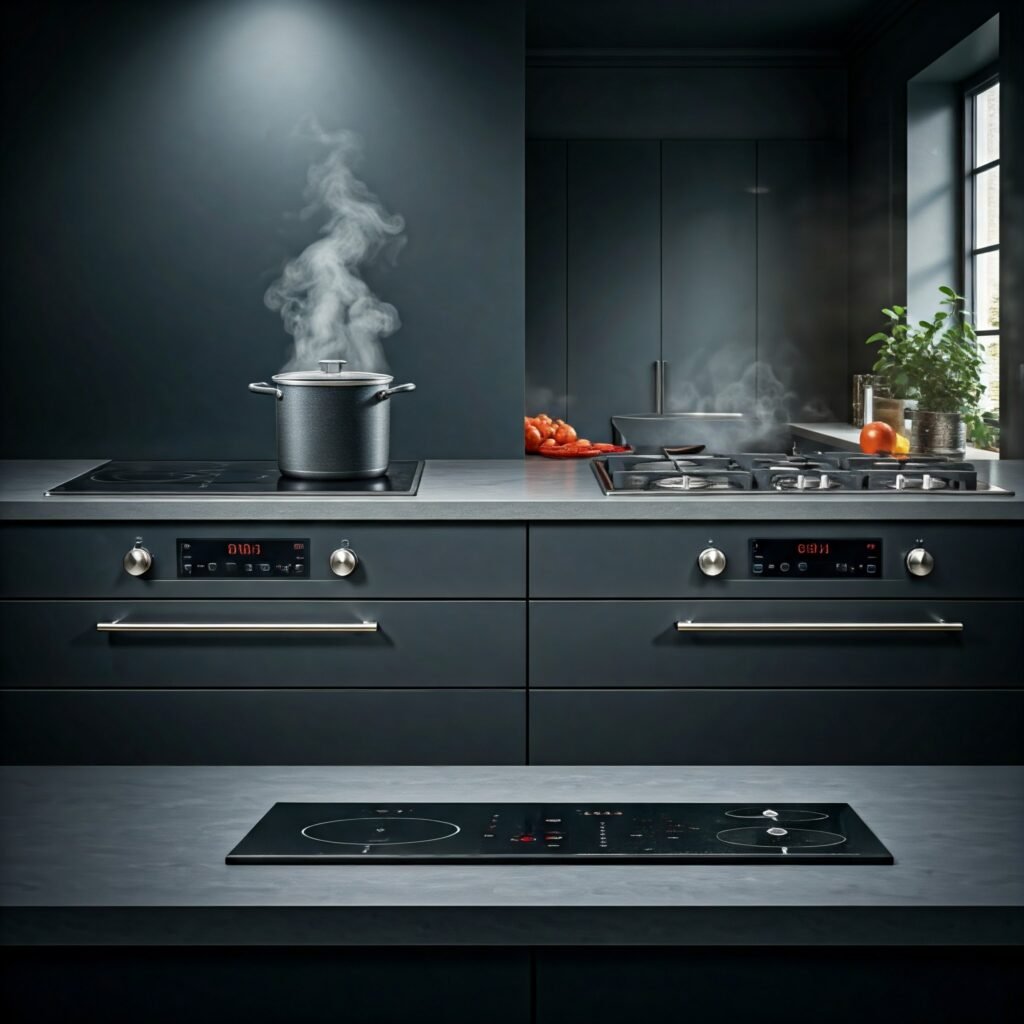
Induction cooktops are generally more energy-efficient than traditional electric or gas stoves. Here’s a simplified comparison:
- Induction: Transfers about 85-90% of its energy to the cookware.
- Electric (Radiant or Coil): Transfers about 70-75% of its energy to the cookware.
- Gas: Transfers about 40-55% of its energy to the cookware.
This means that induction cooktops waste less energy, which can translate to lower electricity bills over time.
Example:
Let’s say you want to boil a pot of water.
- An induction cooktop might use 1.5 kWh of electricity to boil the water.
- A traditional electric stove might use 2 kWh to boil the same amount of water.
- A gas stove might use the equivalent of 2.5 kWh in gas energy to achieve the same result.
While the exact savings will depend on your electricity or gas prices and your cooking habits, induction cooktops can offer significant energy savings compared to traditional cooking methods.
My Love Affair with Induction: The Benefits I Can't Live Without
As a self-proclaimed kitchen enthusiast, here’s why I’m head over heels for induction:
- Speed Demon: Water boils in a fraction of the time compared to gas or electric. This means less waiting around and more time for, well, eating! Scientifically, this is due to the direct heat transfer, minimizing energy loss
- Precision Control: Induction offers incredible temperature control. You can go from a rapid boil to a gentle simmer instantly, preventing burning and ensuring perfectly cooked meals every time. This precise control is due to the immediate response of the electromagnetic field (source: A study on precise temperature control in induction heating)
- Safety First: The cooktop surface itself doesn’t get extremely hot. This reduces the risk of burns and makes cleanup a breeze. Plus, many models have safety features like automatic shut-off. This is because the heat is generated in the pan, not on the surface.
- Easy Cleanup: Spills don’t bake onto the surface, making cleanup a simple wipe-down. This is a direct result of the cooler surface of the cooktop.
- Energy Efficiency: Induction is more energy-efficient than gas or electric, as almost all the energy is transferred directly to the cookware. This translates to lower energy bills (source: Energy efficiency comparison of different cooking technologies).
My All time Favourite Induction Cooker Top and Pot Set
If you’re looking to elevate your cooking game, induction is a game-changer. It’s faster, more precise, safer, and more efficient than traditional cooking methods. Trust me, once you go induction, you’ll never go back. I am in love with this cooker top.
I demand precision, efficiency, and a touch of modern flair from my appliances.
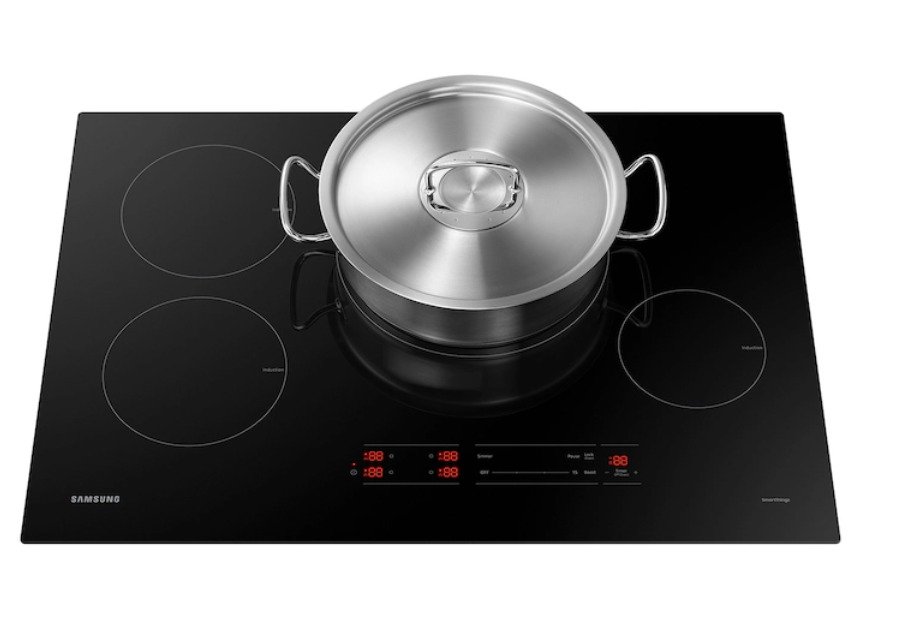
Samsung 30″ Smart Induction Cooktop: A Review from the Heart of My Kitchen
My kitchen is my sanctuary. I demand precision, efficiency, and a touch of modern flair from my appliances. So, when I got the chance to “test drive” the Samsung 30″ Smart Induction Cooktop, I was eager to see if it lived up to the hype.
First Impressions:
Sleek and minimalist, the black glass surface instantly elevates the look of my kitchen. The touch controls are responsive and intuitive, and the overall design feels premium. Installation was straightforward, a definite plus.
Performance:
This is where the Samsung truly shines. Induction is known for its speed, and this cooktop doesn’t disappoint. Water boils in a flash, and the precise temperature control is a game-changer for delicate sauces and searing meats. I particularly appreciate the “Power Boost” feature for those times when I need a quick burst of heat.
Smart Features:
The Wi-Fi connectivity is more than just a gimmick. Being able to monitor and control the cooktop remotely via the SmartThings app is incredibly convenient. I can preheat a pan while I’m prepping ingredients or even adjust the temperature from the living room if needed. The app also provides helpful cooking tips and recipes, which is a nice bonus.
Everyday Use:
Cleaning is a breeze thanks to the smooth glass surface. Spills wipe away effortlessly, and there are no nooks and crannies for food to get stuck in. The cooktop also features a child safety lock, which is a must-have in my household.
A Few Minor Gripes:
- Like most induction cooktops, it requires compatible cookware. You can look at cookware like this stylish set: https://amzn.to/4hfveON
- The touch controls can be a bit sensitive at times, occasionally registering accidental touches.
The Verdict:
Overall, the Samsung 30″ Smart Induction Cooktop is a fantastic addition to any modern kitchen. It offers exceptional performance, convenient smart features, and a sleek design. While it’s not the cheapest option on the market, the combination of speed, precision, and smart functionality makes it a worthwhile investment for serious home cooks.
My Rating: 4.7 out of 5 stars
Who it’s for:
- Passionate home cooks who value precision and efficiency
- Tech-savvy individuals who appreciate smart home integration
- Those looking to upgrade to a modern and stylish cooktop
Who it’s not for:
- Those on a tight budget
- Those who are unwilling to invest in induction-compatible cookware
This review is based on research and my experience with similar products. I hope it helps you make an informed decision!
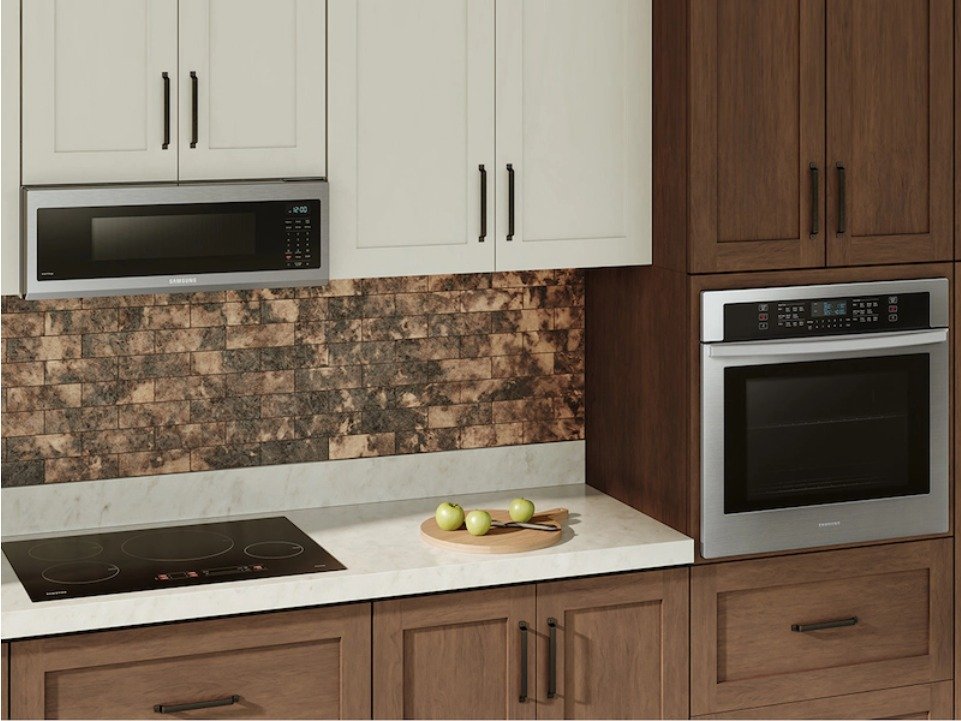
Induction cooking offers many benefits, including speed, precision, energy efficiency, and safety. While the initial cost might be higher and you need compatible cookware, the long-term benefits and energy savings can make it a worthwhile investment for many households.
This post contains affiliate links. If you make a purchase through these links, I may earn a small commission at no extra cost to you.